

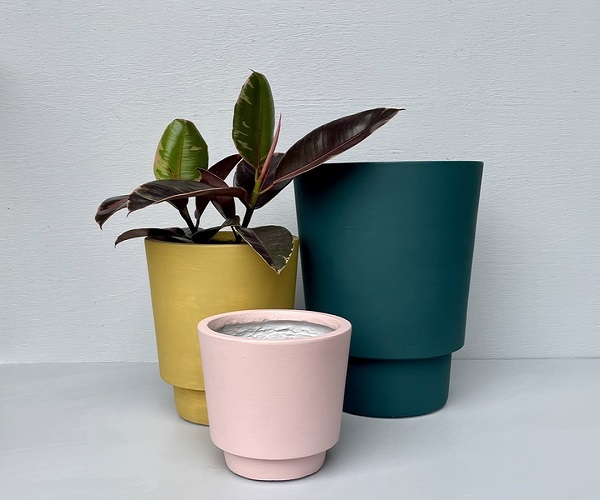
Let’s be honest — there’s nothing fun about wrestling a 30-kilogram terracotta pot across your back deck in the middle of a Queensland summer. If you’ve ever tried to rearrange your garden beds only to throw your back out in the process, or discovered too late that your apartment balcony has strict load-bearing limits, you already know exactly why lightweight plant pots have become one of the most sought-after products in Australian gardening right now.
Whether you’re working with a compact Sydney apartment balcony, a sprawling Perth suburban garden, or a breezy coastal deck in the Northern Rivers, lightweight plant pots offer something genuinely practical: the freedom to create a stunning outdoor space without the structural stress, physical strain, or permanence that comes with traditional heavy pots.
This guide covers everything — what they’re made of, what they’re best used for, the best plants to grow in them across Australia’s wildly varied climate zones, and how they stack up against their heavier counterparts. By the time you’re done reading, you’ll know exactly which pot is right for your space. Let’s get into it.
1. What Are Lightweight Plant Pots?
Lightweight plant pots are exactly what they sound like — plant containers manufactured from materials significantly lighter than the traditional favourites of terracotta, ceramic, or concrete. But don’t let the word “lightweight” fool you into thinking they’re flimsy or inferior. The best modern lightweight outdoor planters are engineered to be incredibly durable, UV-resistant, frost-tolerant (relevant for cooler parts of Australia like the ACT, alpine Victoria, and inland New South Wales), and visually stunning.
The most common materials you’ll encounter include:
- Fibreglass: The gold standard for premium lightweight planters. Fibreglass pots are moulded to mimic the look of stone, concrete, terracotta, or timber — often with extraordinary accuracy — but weigh a fraction of what the real thing does. A fibreglass pot that looks like a solid concrete planter might weigh just 4–8 kg instead of 40–80 kg.
- Resin (Polyresin & High-Density Resin): Resin pots Australia-wide have exploded in popularity thanks to their affordability, colour range, and excellent UV resistance. High-quality resin is UV-stabilised, meaning it won’t fade, crack, or go brittle after a couple of Aussie summers.
- Recycled Plastic & HDPE: Modern recycled plastic pots bear very little resemblance to the cheap plastic pots of the past. High-density polyethylene (HDPE) containers are robust, weather-resistant, and increasingly popular with environmentally conscious gardeners.
- Lightweight Composite: A hybrid blend of materials — often including fibreglass and resin — designed to optimise the best properties of each: light weight, structural rigidity, and a high-end finish.
- Fabric Grow Bags: While not technically “pots,” fabric grow bags are a form of lightweight garden container that have gained enormous traction among balcony vegetable growers and urban gardeners across Australia.
The key distinction across all these materials is the weight-to-durability ratio. A well-made fibreglass or resin pot can last a decade or more in harsh Australian outdoor conditions — through scorching summers, tropical wet seasons, and frosty winter mornings — without cracking, fading, or losing its structural integrity.
Explore the full range of plant pots and outdoor planters available at Outdoor Emporium to see how wide the selection has grown in recent years.
2. What Purpose Do They Serve?
At a surface level, any plant pot serves the same purpose: give your plants a home. But lightweight plant pots were developed to solve a very specific set of problems that traditional heavy containers simply can’t address.
Structural Safety for Elevated Spaces
This is perhaps the most critical purpose. Australian building codes and body corporate regulations (particularly in strata-titled apartment buildings under the Residential Tenancies Act frameworks in each state) commonly impose strict load-bearing limits on balconies and rooftop terraces. A typical residential balcony in Australia is rated for approximately 300–400 kg per square metre of live load — and that sounds like a lot until you start stacking up large terracotta pots, potting mix, water, and growing plants. Lightweight garden containers dramatically reduce the cumulative load on your balcony structure, keeping you on the right side of both engineering safety and body corporate rules.
Enabling Flexible, Changeable Garden Design
One of the most underappreciated purposes of lightweight outdoor planters is the design freedom they afford. Want to rearrange your outdoor space for a party? Planning to move house and take your established plants with you? Rotating your pots seasonally for optimal sun exposure? None of this is practical with 30 kg ceramic urns. With a good lightweight planter, one person can easily reposition even large containers without assistance.
Accessibility for Older Australians and Those with Physical Limitations
Australia’s population is ageing, and access to gardening — proven by multiple studies to have profound mental and physical health benefits — shouldn’t diminish as mobility does. Lightweight plant pots make gardening genuinely accessible to older Australians, people managing back problems, and those with limited physical strength. The ability to move pots to waist height for potting, pruning, or harvesting without help is genuinely transformative for many gardeners.
Commercial and Hospitality Applications
Beyond the home garden, lightweight planters serve a vital purpose in commercial settings — restaurants, hotels, retail precincts, and office buildings across Australia use them extensively. They allow rapid style updates, easy seasonal planting rotations, and the kind of lush, planted aesthetic that customers respond to — without requiring structural reinforcement or a team of labourers.
| Worth knowing: If you’re in a strata building in NSW, QLD, VIC, WA, or SA, always check your by-laws before placing any large containers on balconies. Lightweight plant pots won’t eliminate the need to check load limits, but they make it far easier to stay within them. When in doubt, consult your strata manager or a structural engineer. |
3. Benefits of Lightweight Plant Pots
The benefits go well beyond simply being easy to carry. Here’s a thorough breakdown of why lightweight plant pots have become the go-to choice for savvy Australian gardeners:
Dramatically Easier Handling
This one’s obvious, but it’s worth spelling out in full. A large fibreglass pot — say, a 60 cm diameter statement planter — might weigh as little as 6–10 kg empty. The equivalent in terracotta or ceramic? Easily 25–45 kg before you’ve added a single gram of potting mix or plant. For anyone who’s ever herniated a disc trying to move a garden pot, the shift to lightweight containers is life-changing.
Ideal for Australia’s Diverse Climate Conditions
Australia’s climate is famously extreme and variable. Lightweight materials like fibreglass and UV-stabilised resin have been specifically formulated to handle the brutal conditions that kill inferior products:
- UV resistance: Quality lightweight pots won’t bleach, chalk, or crack under the harsh Australian sun (including high UV index areas like Darwin, Townsville, and outback Queensland).
- Frost tolerance: Unlike terracotta — which is notoriously prone to cracking when water in the clay body freezes and expands — fibreglass and resin pots handle frost cleanly. Relevant for Canberra, Hobart, alpine regions of Victoria and NSW, and high-altitude areas of the Tablelands.
- Heat resistance: Quality composite and fibreglass pots won’t warp or become brittle in the sustained 40°C+ heat that parts of Western Australia, South Australia, and Queensland regularly experience.
Versatility of Finish and Style
Modern lightweight outdoor planters come in finishes that are genuinely indistinguishable from stone, concrete, timber, terracotta, and zinc at a conversational distance. You can achieve the look of an expensive Belgian limestone planter or a hand-thrown terracotta urn without the cost, weight, or fragility of the real thing. This matters enormously for cohesive outdoor styling.
Better for Rooftops, Decks, and Elevated Structures
As mentioned above, balcony load ratings are a real and serious consideration in Australian residential architecture. Lightweight planters let you create genuinely lush, full-scale planted environments on elevated structures without compromising safety.
Water Retention Advantages
This one surprises many people. Terracotta is porous, which means it absorbs water — useful in some situations, but in Australia’s drier climates and during water restrictions (which affect gardeners across all states at various points), it means your soil dries out faster and you use more water. Most lightweight pots — fibreglass, resin, HDPE — are non-porous, meaning water stays in the potting mix where your plants need it, for longer. In a continent where water conservation matters deeply, that’s a genuine environmental plus.
Cost-Effective Over Time
A quality fibreglass or resin planter has a lifespan of 10–15 years or more with basic care. Heavy ceramic or terracotta pots chip, crack (particularly in frost-prone areas), and break far more easily — especially during the moves that lightweight pots make easy. Over a decade, lightweight pots consistently prove better value.
Easier to Protect Plants During Extreme Weather
Australia’s weather events — from tropical cyclones in the north, to hailstorms on the southern tablelands, to extreme heat events across the interior — sometimes require rapidly moving plants to shelter. That’s only realistic with lightweight containers. Try moving a 40 kg terracotta pot when a storm’s rolling in off the Coral Sea and you’ll immediately understand the point.
| 75% lighter than an equivalent terracotta pot (fibreglass, large format) | 15+ years lifespan for premium fibreglass planters in Australian conditions | 40% less water used in non-porous pots vs terracotta in hot, dry climates | 300kg typical residential balcony load rating per m² — lightweight pots help you stay safe |
4. Perfect Applications for Lightweight Plant Pots
Part of what makes lightweight outdoor planters so popular across Australia is just how versatile they are. Here are the settings where they genuinely shine:
Apartment Balconies and Rooftop Gardens
This is the killer app for lightweight pots, no question. Australia now has one of the world’s highest rates of apartment living for a developed nation, and the dream of a green, planted balcony is one that huge numbers of urban Australians share. Lightweight balcony planters make that dream achievable — you can create a genuinely lush, multi-layered planted space without exceeding load limits or lugging concrete planters up a lift.
Browse planter boxes and balcony-ready containers at Outdoor Emporium — there’s a huge range designed specifically for elevated outdoor spaces.
Timber Decks and Raised Entertaining Areas
Timber decks — ubiquitous in suburban Australian backyards — are often not engineered to carry enormous point loads. A cluster of heavyweight pots in one corner creates structural stress that accelerates deck deterioration. Lightweight planters spread weight more safely and are far kinder to your deck’s long-term structural health.
Commercial Landscaping — Restaurants, Hotels, Retail
The hospitality industry across Australia has enthusiastically adopted fibreglass plant pots and large resin planters for everything from alfresco dining area greenery to hotel lobby statement pieces. They can be moved for cleaning, seasonal replanting, or event setup without specialist equipment.
Pool Surrounds
Pool areas present unique challenges: non-slip surfaces, chlorine-rich air, constant moisture, and the need for pots that won’t leach minerals onto pavers or stain pool surrounds. Lightweight fibreglass and resin pots excel in this environment — they’re inert, non-porous, and won’t develop the white efflorescence marks that concrete and terracotta are prone to.
Courtyard Gardens
Many Australian homes — particularly in inner-city Sydney, Melbourne, and Brisbane — have small courtyard gardens with limited or no direct soil planting access. Lightweight pots of various heights and sizes can be used to create layered, visually complex planted spaces in these compact areas without overwhelming the space structurally or visually.
Rental Properties
Renters make up approximately 31% of Australian households — and for this group, lightweight plant pots are arguably indispensable. You can build a beautiful container garden knowing you can pack it up and take it with you at the end of your lease. No permanent installations, no impact on the property, just a stunning portable garden that goes wherever you do.
Indoor/Outdoor Transition Spaces
The classic Australian indoor/outdoor room — that blurred space between the living area and the outdoor entertaining area — is a natural home for lightweight planters. Their ease of movement makes it simple to bring pots inside during extreme weather or reposition them as the seasons change.
5. Best Plants for Lightweight Plant Pots in Australia
Not all plants are equally suited to container growing — but the good news is that the list of plants that genuinely thrive in pots is long, and includes some of Australia’s most beloved and climate-appropriate species. Here are the best options across different categories, all well-suited to the lightweight garden containers available at Outdoor Emporium.
| Lilly Pilly (Syzygium spp.) One of Australia’s most versatile native shrubs. In a large lightweight pot, Lilly Pilly makes a superb privacy screen or statement plant. Drought-tolerant once established. Available in dwarf varieties ideal for balcony growing. | Kangaroo Paw (Anigozanthos) Native to WA but thrives across most of Australia in containers. Stunning architectural blooms in red, orange, and yellow. Drought-tolerant and perfect for sunny balconies. Requires excellent drainage — lightweight non-porous pots ideal. |
| Native Grasses (Lomandra, Dianella) Low-maintenance architectural grasses that look spectacular in contemporary rectangular lightweight planters. Incredibly heat and drought tolerant. Grow well across all Australian climate zones. | Coastal Rosemary (Westringia) A tough, reliable Australian native that looks great clipped into a hedge or left to grow naturally. Excellent in large lightweight planters as a privacy screen on balconies and decks. Handles coastal salt air beautifully. |
Mediterranean and Drought-Tolerant Plants
| Olive Tree (Olea europaea) Arguably the most popular statement plant for large container gardening in Australia right now. A standard olive in a large fibreglass or resin pot is a design classic. Thrives in dry conditions — perfect for pots on hot western-facing aspects. | Bay Laurel (Laurus nobilis) Clipped into a standard or topiary form, bay laurel in a pair of statement lightweight pots flanking an entry is timeless. Useful too — fresh bay leaves for the kitchen. Grows well in containers across Australia’s temperate zones. |
| Succulents & Agave Virtually indestructible in Australian conditions. Agave americana in a large modern fibreglass planter is pure drama. Smaller succulents — Echeveria, Sedum, Crassula — are ideal for grouped displays of lightweight pots on sunny balconies. | Lavender (Lavandula) Thrives in containers across southern Australia. The excellent drainage of non-porous lightweight pots suits lavender perfectly — it hates wet feet. Compact varieties like ‘Avonview’ and ‘Bee Happy’ are excellent for balcony planters. |
Edibles for Container Growing
| Tomatoes & Chillies Cherry tomato varieties and chilli plants are ideal for large balcony planters — they’re productive, manageable in size, and rewarding growers. Choose a container at least 40 cm deep for best results. Non-porous lightweight pots retain moisture well in the heat. | Herbs (Basil, Coriander, Mint) A collection of lightweight pots dedicated to culinary herbs is one of the most practical additions to any Australian outdoor space. Group pots of varying heights together for a productive and attractive herb garden that moves with you. |
| Dwarf Citrus Dwarf lemon, lime, and cumquat trees in large lightweight planters are a staple of Australian courtyard and balcony gardening. Choose a pot at least 50 cm in diameter and depth. The light weight makes rotating for even sun exposure easy. | Leafy Greens & Silverbeet Spinach, silverbeet, kale, and Asian greens all grow happily in containers. Lightweight rectangular planter boxes are ideal for these — they provide good root run and can be positioned on balcony railings or benches for easy access. |
Tropical and Statement Plants
| Fiddle Leaf Fig (Ficus lyrata) The design darling of the 2020s. In a large, modern lightweight planter — think matte charcoal or natural concrete-look fibreglass — a fiddle leaf fig makes an extraordinary statement in covered outdoor rooms and tropical gardens across northern Australia. | Kentia Palm (Howea forsteriana) A classic for covered outdoor entertaining areas and indoor/outdoor rooms. Native to Lord Howe Island, Kentia palms thrive in large containers in sheltered positions. A premium fibreglass pot in a neutral finish is perfect for this elegant plant. |
| Mondo Grass (Ophiopogon) The perfect low-maintenance filler plant for contemporary garden containers. Black Mondo Grass in a white or pale concrete-look lightweight pot is a particularly striking design combination. Extremely tough and requires very little care. | Bougainvillea A quintessentially Australian garden plant — almost every coastal garden in the country has one. In a large container, bougainvillea creates extraordinary colour impact. Lightweight pots allow you to move it to frost-protected positions in cooler months. |
| Pro Tip — Potting Mix for Lightweight Pots Because most lightweight pots are non-porous, drainage is critical. Always use a premium, free-draining potting mix — look for the Australian Standards red or blue ticked bags. Add 20% perlite or coarse sand to standard potting mix for even better drainage, especially for succulents, citrus, and Mediterranean plants. Avoid using garden soil in any container — it compacts badly and doesn’t drain well. |
See the full range of large plant pots suited to these species at Outdoor Emporium — including extra-deep options perfect for olives, palms, and citrus.
6. Lightweight Plant Pots vs Traditional Pots
Let’s cut through the noise and compare the two side by side. This is the information people actually need when making a purchasing decision.
| Feature | Lightweight Pots (Fibreglass/Resin) | Terracotta | Ceramic/Glazed | Concrete/Stone |
|---|---|---|---|---|
| Average weight (60cm pot, empty) | 5–10 kg | 20–35 kg | 18–30 kg | 40–90 kg+ |
| Frost resistance | ✔ Excellent | ✘ Poor (cracks) | ✘ Poor–Moderate | ✔ Good |
| UV resistance (Australian conditions) | ✔ Excellent (UV-stabilised) | ✔ Good | ✔ Good | ✔ Excellent |
| Water retention (plant benefit) | ✔ High (non-porous) | ✘ Low (porous — dries fast) | ✔ High (glazed) | Moderate |
| Suitable for balconies | ✔ Ideal | ✘ Load concern | ✘ Load concern | ✘ Not recommended |
| Style / finish range | ✔ Extremely wide | Limited (natural only) | ✔ Wide colour range | Limited (natural) |
| Long-term durability | ✔ Excellent (10–15+ years) | Moderate (chips, cracks) | Moderate (cracks, chips) | ✔ Excellent (but heavy) |
| Ease of moving / repositioning | ✔ Easy (one person) | ✘ Difficult | ✘ Difficult | ✘ Very difficult |
| Price range (quality product) | Moderate to premium | Budget to moderate | Moderate to premium | Premium to very expensive |
| Aesthetic versatility (indoor/outdoor) | ✔ Excellent | Limited (rustic, traditional) | ✔ Good | Modern/industrial only |
The Honest Tradeoffs
Lightweight pots aren’t perfect for every situation, and it’s worth being upfront about that. In situations where you specifically want the breathable, porous nature of terracotta — for orchids or plants that strongly prefer dry roots, for instance — a non-porous lightweight pot may require more careful watering management. And if you’re creating a permanent, immovable garden installation where extreme heaviness is actually desirable (think: a feature planter in a public space that needs to resist vandalism or wind), concrete still has its place.
But for the overwhelming majority of Australian home gardeners, renters, balcony enthusiasts, and outdoor living fans? The case for lightweight plant pots is genuinely compelling, and the compromises are minimal.
| Bottom line: If you’re buying pots for a balcony, deck, rooftop, or any space where you value flexibility, safety, and ease of use — lightweight plant pots win this comparison decisively. If you have an in-ground garden bed or permanent installation where weight is a non-issue and you love the look of aged terracotta, traditional materials still have their charm. Know your use case and choose accordingly. |
7. Caring for Your Lightweight Plant Pots
One of the great advantages of lightweight fibreglass and resin pots is that they’re genuinely low-maintenance. But “low-maintenance” doesn’t mean “zero-maintenance.” A little care goes a long way to extending the life of your containers significantly.
Cleaning
Clean your lightweight garden containers with warm water and a soft cloth or non-abrasive sponge. A small amount of mild dish soap works fine for general dirt and algae. Avoid harsh chemical cleaners, bleach, or abrasive scourers — these can dull the surface finish of resin and fibreglass pots over time. For stubborn mineral deposits or salt build-up (common in coastal areas of Australia), a diluted white vinegar solution works well.
Managing the Australian Sun
Even UV-stabilised pots can benefit from occasional care in Australia’s extreme UV environment. If your pots are positioned in full, harsh western sun all day in locations like Perth, Adelaide, or central Queensland, consider rotating them periodically and keeping them slightly shaded during the most brutal heat of summer afternoons. Some gardeners apply a very light coat of UV-protective clear spray (designed for plastics) to resin pots every few years in high-UV environments — check with the manufacturer or retailer first to ensure compatibility.
Drainage and Root Care
All good pots need drainage holes — always check this before planting. Without drainage, roots sit in waterlogged soil, which leads to root rot — the single most common way to kill a container plant in Australia’s subtropical and tropical regions during the wet season. Place pot feet or risers under your containers to ensure water flows freely and to protect your deck or balcony surface from water staining.
| Pro Tip — Pot Feet in Australia Elevating your pots on pot feet or risers is particularly important in Queensland, the Northern Territory, and coastal NSW during the wet season. Standing water under a pot creates the ideal environment for mosquito breeding — a genuine health concern in dengue-affected regions of northern Australia. It’s a tiny detail that makes a real difference. |
Winter Storage and Frost Protection
In frost-prone regions of Australia — Canberra, Hobart, the Victorian and NSW highlands — here’s where lightweight pots genuinely earn their keep. When a late frost warning hits, you can actually move sensitive plants indoors or under cover. With heavy terracotta, that’s not a realistic option. Even frost-tolerant lightweight pots benefit from being moved away from wind-exposed positions in severe frost conditions.
Refreshing Potting Mix
Potting mix breaks down and loses its structure over time. As a general rule, refresh or replace potting mix in containers every 2–3 years for long-term plants (like citrus trees or large shrubs), and every season for annuals and vegetables. When you do this, it’s a good opportunity to gently clean the inside of the pot, check drainage holes are clear, and inspect the roots for any signs of disease.
Repairing Minor Damage
Fibreglass pots can be repaired with fibreglass repair kits if they sustain minor chips or cracks — the same type of kit used for boat hull repairs, widely available at hardware stores across Australia. Resin pots are harder to repair and are generally replaced if damaged significantly. However, the toughness of quality resin means significant damage in normal use is uncommon.
| Watch Out In areas with extreme hailstorms — particularly inland Queensland and parts of NSW — large hailstones can chip or crack resin pots. During severe weather warnings, move lightweight pots to sheltered positions. This is easy because they’re lightweight — another advantage over heavy traditional containers. |
8. Why Choose Outdoor Emporium?
There are plenty of places to buy plant pots online in Australia — so why Outdoor Emporium? Here’s what sets them apart for Australian gardeners:
Curated Range of Quality Lightweight Planters
Outdoor Emporium’s plant pots collection is genuinely curated, not just a bulk catalogue dump. Every product has been selected with Australian conditions, aesthetics, and practical needs in mind. You’ll find everything from compact balcony planters through to statement-sized fibreglass urns suitable for grand entrance ways and commercial applications.
Australian Climate Knowledge
Unlike international retailers or generic marketplaces, Outdoor Emporium understands the specific demands of Australian outdoor environments — from the punishing UV in Queensland and WA to frost in Canberra and high humidity in Darwin and tropical Queensland. Their product recommendations and descriptions reflect real-world Australian conditions, not generic northern hemisphere advice.
Quality Assurance
Every fibreglass plant pot and resin planter available through Outdoor Emporium meets the quality standards expected for long-term outdoor use in Australian conditions. UV stabilisation, drainage, structural integrity — these aren’t afterthoughts, they’re selection criteria.
Extensive Style Range
Whether you’re styling a coastal Hamptons-look deck in Sydney’s Northern Beaches, a sleek contemporary rooftop in inner Melbourne, a lush tropical garden in Cairns, or a sun-drenched Mediterranean courtyard in Adelaide — Outdoor Emporium has a lightweight planter that fits the aesthetic. The range spans modern matte finishes, natural stone-look textures, classic terracotta-mimicking styles, and everything in between.
Large Format Options
One area where Outdoor Emporium genuinely excels is the availability of large plant pots in lightweight materials — a segment that many retailers underserve. Large statement planters for mature olive trees, palms, or feature shrubs are available in sizes up to 100 cm+ in diameter, all in lightweight fibreglass and resin.
Complementary Products
Beyond pots, Outdoor Emporium stocks everything you need to create a complete outdoor living space — from outdoor furniture and planter boxes to accessories that help you style and maintain your space. It’s a genuine one-stop-shop for Australian outdoor living.
Convenient Online Shopping with Australia-Wide Delivery
Outdoor Emporium ships across Australia — so whether you’re in metropolitan Sydney, Melbourne, Brisbane, or Perth, or in regional areas, you can access their full range without leaving home. The website is straightforward to navigate, with clear product dimensions and specifications to help you choose the right pot for your space before it arrives.
Conclusion: Time to Make Your Move
Lightweight plant pots aren’t just a trend — they’re a genuinely smarter way to garden in Australia. They solve real problems: the structural constraints of apartment balconies and elevated decks, the physical difficulty of moving and managing heavy containers, the tendency of traditional pots to crack in frost or fade in UV, and the rigidity of permanently placed planters in spaces that need to evolve.
Whether you’re a city dweller turning your apartment balcony into a lush green retreat, a homeowner creating a poolside tropical paradise, a renter building a portable garden you can take with you, or a commercial operator dressing up an alfresco space — lightweight outdoor planters offer the flexibility, durability, and style range to make it happen.
The key takeaways from this guide:
- Fibreglass and resin are the premium choices for lightweight, durable, stylish plant pots in Australia.
- The weight advantage is significant — up to 75–80% lighter than equivalent terracotta or concrete for the same size.
- Non-porous materials conserve water — critical in Australia’s dry climates and under water restrictions.
- Australian native plants, Mediterranean species, tropical statement plants, and edibles all thrive in quality lightweight containers.
- Care is simple: clean gently, ensure drainage, protect from extreme weather when possible.
- Outdoor Emporium stocks a genuinely curated, Australia-appropriate range of lightweight planters across all sizes and styles.
Ready to create the outdoor space you’ve been dreaming about? Start exploring the range below.