

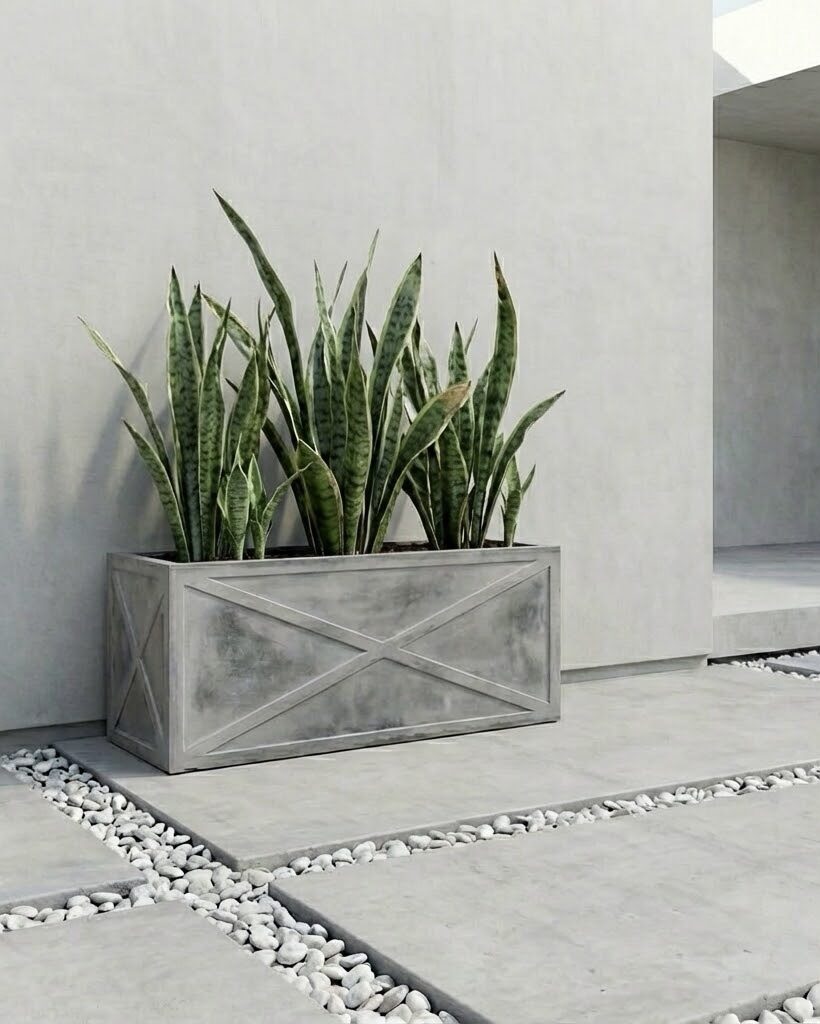
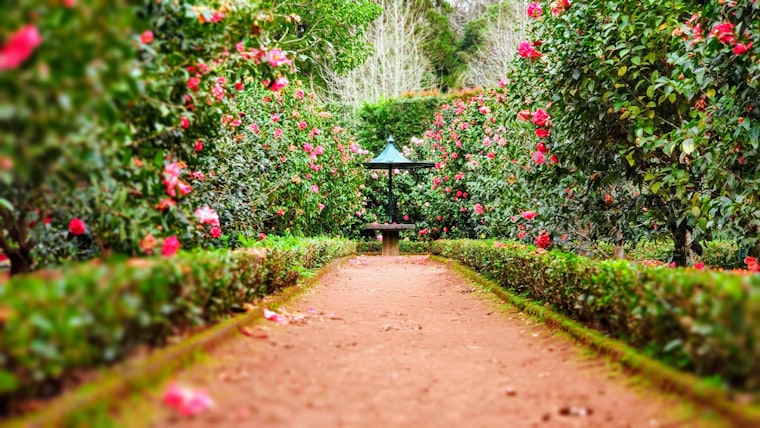
If you’ve ever stood in front of a row of outdoor pots wondering what on earth to fill them with — you’re not alone. Melbourne throws four genuinely distinct seasons at us, sometimes all in a single day, and choosing plants that will not only survive but thrive through those shifts takes a bit of local knowledge. This guide cuts through the confusion with season-by-season recommendations, pot material guidance, soil and watering advice, and an interactive plant selector to help you make the right call for your garden.
Whether you’re working with a compact inner-city balcony in Fitzroy, a sprawling backyard in Templestowe, or a beachside courtyard in Elwood, the seasonal rhythms of Melbourne gardening follow predictable patterns once you know what to look for.
Best Plants for Outdoor Pots in Melbourne Year-Round
Melbourne sits in USDA Hardiness Zone 9b–10a, with warm, dry summers and mild, wet winters. Average summer highs hover around 26°C (though northerly heat events regularly push past 40°C), while winter minimums rarely drop below 4°C in most metro suburbs. This means a surprisingly wide palette of plants can be grown in outdoor pots — but only if you respect their seasonal preferences.
The following plants perform reliably across Melbourne’s conditions with minimal fuss:
Agapanthus
Incredibly tough, handles dry spells, flowers spectacularly in summer. Perfect for large statement pots at entrances.
Buxus (Box Hedge)
A Melbourne garden staple. Takes to clipping beautifully and provides year-round structure in formal or contemporary pots.
Succulents & Echeveria
Thrives in Melbourne’s dry summers. Dozens of varieties suit shallow bowls and grouped arrangements beautifully.
Lavender
English lavender (Lavandula angustifolia) thrives in Melbourne pots. Excellent in terracotta — the excellent drainage mimics its Mediterranean origins.
Spring Planting: Top Plants for Melbourne Pots (September–November)
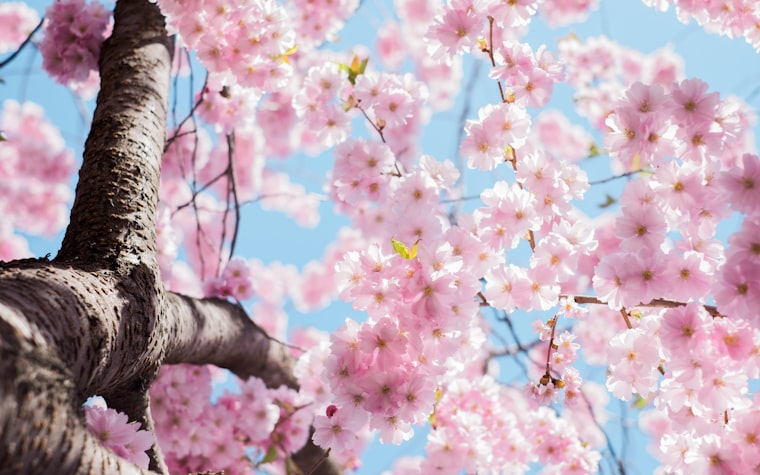
Spring is the most exciting planting window in Melbourne. Soil temperatures begin climbing above 15°C from late September, root systems respond enthusiastically, and the risk of frost drops away for most metro and bayside suburbs. This is the time to refresh your pots, introduce summer performers, and get seasonal colour underway before the heat arrives.
Top Spring Picks
Petunias
One of Melbourne’s best-loved spring pot plants. Trailing varieties cascade beautifully over the edges of tall fibre cement planters.
Geraniums (Pelargoniums)
Available in endless colour varieties. Remarkably drought-resilient once established — a great choice for forgetful waterers.
Citrus (in large pots)
Meyer lemon and calamandin lime perform excellently in large outdoor planters (min. 60cm diameter). Plant in spring for best establishment.
Sweet Alyssum
Fast-growing, honey-scented ground cover that fills pot edges and suppresses weeds in mixed plantings. Self-seeds readily.
🌱 Spring Planting Tips for Melbourne
- Wait until after Melbourne Cup weekend (early November) to plant frost-sensitive tropicals — late frosts can occur in outer suburbs like Lilydale and Belgrave as late as late October.
- Refresh potting mix in September rather than simply topping up. Old mix compacts and loses nutrients rapidly.
- Apply a slow-release fertiliser (N:P:K 14:6:12 or similar) at potting time to carry plants through to summer.
- Spring is the ideal repotting season — increase pot diameter by no more than 5cm at a time to avoid waterlogging issues in oversized containers.
Summer Plants for Outdoor Pots in Melbourne’s Heat
Melbourne summers are notorious for their extremes — 30°C one day, 43°C the next. Pots are especially vulnerable to heat stress because the roots have no ground insulation. On a 40°C day, a dark-coloured pot in direct sun can reach internal temperatures above 55°C, well into the zone that kills root systems. Choosing heat-tolerant plants and appropriate pot materials is critical for summer success.
Heat-Tolerant Champions for Melbourne Summer Pots
Portulaca
Absolutely thrives in Melbourne’s heat. Brilliantly coloured, succulent-like annual that tolerates neglect, dry soil, and full-blast western sun.
Vinca (Catharanthus)
Glossy-leaved annual that loves hot conditions. Available in pink, white, red, and purple — consistently performs through Melbourne heatwaves.
Ornamental Grasses
Lomandra, pennisetum, and festuca handle summer heat and wind on exposed balconies and coastal gardens around Port Phillip Bay.
Herbs (Basil, Thyme, Rosemary)
Summer is peak herb season in Melbourne. Grow in terracotta pots near the kitchen. Basil particularly appreciates summer heat but needs consistent moisture.
🌞 Summer Heat Management in Melbourne Pots
- Mulch your pots. A 50mm layer of sugar cane mulch on top of potting mix reduces soil temperature by up to 10°C and dramatically cuts moisture loss.
- Group pots together. Clustered pots create a microclimate that reduces individual pot exposure to radiant heat.
- Move sensitive pots. Lightweight fibreglass and resin planters allow you to shift plants to afternoon shade during extreme heat events.
- Water at dawn. Morning watering ensures moisture reaches roots before midday evaporation. Avoid evening watering in humid coastal areas to reduce fungal risk.
- On days forecast above 38°C, water all pots regardless of soil moisture — the additional water buffers root temperature as well as providing hydration.
Autumn Planting for Outdoor Pots in Melbourne (March–May)
Melbourne’s autumn is genuinely beautiful and often the most reliable planting weather of the year. Temperatures settle into the 15–22°C range, rainfall increases, and plants establish without the summer heat stress. This is the season to transition pots from summer exhaustion into fresh cool-season performers.
Top Autumn Performers for Melbourne Pots
Pansies & Violas
Melbourne’s favourite cool-season pot plants. Plant in March–April for masses of colour through autumn, winter, and into spring.
Camellias
Autumn is ideal planting time for camellias in Melbourne. Camellia sasanqua varieties begin flowering April–June, providing spectacular winter colour.
Cyclamen
Vibrant, jewel-toned flowers through the cooler months. Excellent for shaded spots under established trees — a Melbourne porch pot staple.
Silverbeet & Kale
Autumn is the start of Melbourne’s cool-season vegetable window. Ornamental kale doubles as a striking display plant through winter.
Winter-Hardy Plants for Melbourne Outdoor Pots (June–August)
Melbourne winters are mild compared to most capitals — frosts are infrequent in the inner suburbs and most of Port Phillip Bay’s coastline. The CBD and bayside suburbs (St Kilda, Brighton, Williamstown) rarely see overnight temperatures below 4°C, while the Dandenong Ranges and outer eastern suburbs can experience regular frosts down to −3°C or lower. This distinction matters enormously when choosing winter pot plants.
Snapdragons
Brilliant upright winter colour. Plant between April and June for flowers from July through October. Excellent in tall, narrow planters.
Hellebores
The ultimate Melbourne winter performer. Blooms through the coldest months in shade conditions and improves in beauty year after year.
Ornamental Cabbage
Dramatic rosette shapes in white, purple, and pink. Intensifies in colour as temperatures drop — genuinely improves through Melbourne’s coldest months.
Dusty Miller (Senecio)
Silver-grey foliage provides elegant contrast in winter pot displays. Pairs beautifully with purple violas and dark camellia blooms.
❄️ Frost Protection for Melbourne Outer Suburbs
- In frost-prone outer suburbs (Lilydale, Montrose, Upwey, Berwick), move frost-sensitive pots under eaves or against north-facing brick walls overnight when temperatures below 2°C are forecast.
- Hessian wrap or horticultural frost cloth provides adequate protection for most plants down to −3°C. Remove it during daylight to allow photosynthesis and air circulation.
- Pot feet and stands improve cold-air drainage beneath pots — cold air pools at ground level, and even 10cm of elevation can reduce frost damage in marginal situations.
- Terracotta pots can crack in sustained frosts below −5°C. In outer suburban Melbourne, consider glazed ceramic, fibre cement, or fibreglass for frost-exposed positions.
🌿 Find Your Perfect Melbourne Pot Plant
Answer 6 quick questions and get a personalised recommendation for your garden, balcony, or outdoor space.
Question 1 of 6
What season are you planting in?
Question 2 of 6
How much sunlight does your spot receive?
Question 3 of 6
How would you describe your watering routine?
Question 4 of 6
Are you in an inner suburb or frost-prone area?
Question 5 of 6
What’s your pot size preference?
Question 6 of 6
What’s most important to you in a pot plant?
Your personalised recommendation
Shop the Right Pot for This Plant →Pot Materials and Container Selection for Melbourne’s Climate
The pot you choose is just as important as the plant inside it. Melbourne’s climate exposes outdoor pots to UV degradation, temperature extremes, salt air (in coastal suburbs), and occasional hard frosts (in outer eastern and northern areas). Here’s how the main materials perform:
| Material | Best For | Melbourne Considerations | Lifespan |
|---|---|---|---|
| Terracotta | Mediterranean plants, lavender, herbs, succulents | Excellent drainage; porous walls help prevent waterlogging. Water more frequently in Melbourne summers. Can crack in hard frosts in Dandenong Ranges. | 10–30+ years (quality pieces) |
| Glazed Ceramic | Shade plants, camellias, cyclamen, indoor–outdoor transitional plants | Retains moisture longer than terracotta — useful for high-water plants. UV-stable glaze; suitable for coastal positions. Avoid positions with hard frost. | 10–25 years |
| Fibre Cement / Lightweight Concrete | Contemporary landscapes, feature plants, large trees and shrubs | Outstanding UV and frost resistance. Insulates roots from Melbourne’s heat extremes. Lighter than solid concrete — suitable for balconies with load restrictions. | 15–30+ years |
| Fibreglass / Resin | Balconies, weight-restricted rooftop gardens, portable displays | Lightweight and fully UV-stabilised in quality products. Excellent for Melbourne balconies where concrete and terracotta may be impractical. Excellent range at Outdoor Emporium. | 10–20 years |
| Timber Planters | Raised vegetable gardens, cottage-style displays | Hardwood (jarrah, spotted gum) performs well in Melbourne’s climate. Treat exterior surfaces annually. Line interior to extend pot life and protect timber from moisture. | 7–15 years (treated) |
Soil, Drainage, and Watering for Outdoor Potted Plants in Melbourne
The single biggest cause of potted plant failure in Melbourne isn’t under-watering or pests — it’s poor drainage leading to root rot. Melbourne receives around 640mm of annual rainfall, with the bulk falling in winter and spring when plants are least able to process excess moisture quickly. Getting your potting mix and drainage structure right makes everything else easier.
Building the Ideal Potting Mix
Always use a quality potting mix marked with the Australian Standards red tick logo (AS 3743), which guarantees appropriate nutrient levels and water-holding capacity for Australian conditions. For most Melbourne pot plants, a premium mix amended with:
- 10–15% coarse perlite — improves drainage in summer and reduces compaction over time
- 10% worm castings or quality compost — boosts biological activity and slow-release nutrient availability
- 2cm drainage layer of scoria or coarse gravel at the base of the pot before filling with mix
For succulents and Mediterranean plants (lavender, rosemary, thyme), increase the perlite ratio to 25–30% to replicate the fast-draining, lean soils these plants evolved in.
Watering Schedules by Season
| Season | Frequency (typical) | Key Notes |
|---|---|---|
| Summer | Daily (small pots); every 1–2 days (large pots) | Water at dawn. Double frequency on 35°C+ days. Check by pressing finger 2cm into mix. |
| Autumn | Every 2–3 days | Reduce as temperatures drop. Increase after dry spells in March–April. |
| Winter | Weekly or as needed | Allow mix to partially dry between waterings. Overwatering in winter is the primary cause of root rot in Melbourne pots. |
| Spring | Every 2–3 days, increasing through November | Begin increasing frequency as temperatures rise. Watch for wilting in small pots during warm October days. |
Managing Pests and Diseases in Melbourne’s Climate
Outdoor potted plants in Melbourne face a distinct set of pest pressures depending on the season. The warm, humid conditions in autumn and spring are particularly conducive to fungal diseases, while the long dry summers bring aphids, spider mites, and mealybugs onto stressed plants.
🐛 Melbourne’s Most Common Pot Plant Pests
- Aphids (spring–summer): Hose off with strong jet of water or apply insecticidal soap spray. Avoid synthetic pyrethroids near fruiting herbs.
- Two-spotted spider mite (December–February): Thrives in hot, dry conditions. Increase humidity around pots and apply neem oil spray at first sign. Check undersides of leaves.
- Mealybugs (year-round, worse in spring): Target with 70% isopropyl alcohol applied directly with a cotton bud for small infestations. For widespread attack, use eco-oil spray.
- Powdery mildew (autumn–spring): Common on zucchini, pumpkin, and roses in Melbourne’s spring humidity. Apply potassium bicarbonate spray or diluted neem oil fortnightly as preventative.
- Snails and slugs (winter–spring): Particularly active in Melbourne’s wet winters. Iron EDTA-based baits (safe around pets and wildlife) applied around pot bases control populations effectively.
- Fungus gnats (winter overwatering): Caused by constantly moist potting mix. Allow mix surface to dry thoroughly between waterings and treat with beneficial nematodes (Steinernema feltiae) for serious infestations.
Aesthetic Pairing: Creating Beautiful Outdoor Pot Displays
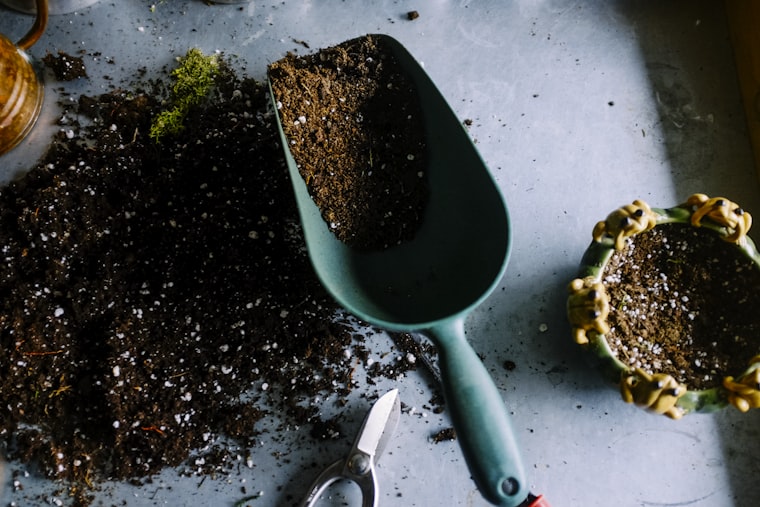
A thoughtfully composed pot display transforms an outdoor space. Melbourne’s outdoor design scene leans towards a few key styles — the coastal natural palette popular in bayside suburbs, the contemporary concrete-and-green aesthetic of inner-city terrace gardens, and the lush cottage style beloved in the outer east. Whatever your preference, a few compositional principles make a big difference.
The Rule of Three (Height, Texture, Colour)
Effective pot groupings typically combine three elements: a tall upright plant (the “thriller”), a mid-height bushy or textural plant (the “filler”), and a cascading or trailing element (the “spiller”). For a Melbourne spring display, this might mean:
- Thriller: Agapanthus in a tall fibre cement planter
- Filler: Geraniums or petunias in a mid-height ceramic pot
- Spiller: Trailing sweet alyssum or creeping thyme in a shallow terracotta saucer arrangement
Pot Colour and Material Coordination
Group pots in complementary but not identical materials — a cluster of terracotta, lightly glazed ceramic, and raw concrete creates visual depth without chaos. In Melbourne’s beach-adjacent suburbs, a palette of bleached whites, sandy terracotta, and natural concrete suits the coastal environment beautifully. Inner-north gardens from Fitzroy to Northcote trend towards dark-glazed ceramics, black fibre cement, and bold colour combinations.
Frequently Asked Questions: Outdoor Pots in Melbourne
What plants grow best in outdoor pots in Melbourne all year?
Agapanthus, buxus, lavender, and ornamental grasses are among the most reliable year-round performers in Melbourne outdoor pots. They handle seasonal extremes with minimal intervention and suit both formal and contemporary styles.
How deep should outdoor pots be for Melbourne gardens?
Depth depends on root type. Shallow-rooted plants (succulents, pansies, violas) thrive in 20–25cm depth. Medium shrubs and perennials (lavender, geraniums, camellias) need 30–45cm. Trees and large shrubs (citrus, agapanthus, cordyline) require 50cm or deeper to accommodate the root system and provide insulation from temperature swings.
When should I repot plants in Melbourne?
September and October — early spring — is the ideal repotting window for most plants in Melbourne. Soil temperatures are rising, root systems are actively growing, and plants have the whole season ahead to establish before winter. Avoid repotting in summer heatwaves or deep winter.
Do outdoor pots in Melbourne need saucers?
In summer, saucers help retain moisture around small pots but can cause root rot if they hold standing water in Melbourne’s rainy winters and springs. Remove saucers from May to September or raise pots on feet to ensure free drainage. In summer, saucers can stay, but tip out any standing water that remains more than 30 minutes after watering.
What fertiliser is best for outdoor potted plants in Melbourne?
A quality slow-release granular fertiliser applied at the start of spring and again in early autumn covers most ornamental pot plants. Liquid fertilisers (seaweed-based or balanced NPK) can supplement through flowering and fruiting periods. Avoid high-nitrogen fertilisers in autumn as they promote lush growth that becomes frost-susceptible in winter.
Which outdoor pot material is best for Melbourne’s climate?
Fibre cement and lightweight concrete are the most durable all-round performers for Melbourne’s UV exposure, temperature swings, and coastal conditions. Terracotta excels for plants needing excellent drainage. Fibreglass and resin suit balconies and weight-sensitive applications. All materials available in our outdoor pot collection.
Seasonal Care and Maintenance Schedule
| Month | Key Tasks |
|---|---|
| September | Refresh potting mix, apply slow-release fertiliser, plant spring annuals (petunias, impatiens), repot root-bound plants |
| October | Begin regular watering schedule, introduce summer herbs, feed with liquid fertiliser every 2 weeks |
| November | Mulch all pots, establish watering system before summer, move frost-sensitive pots to protected spots if late frosts forecast |
| December–January | Daily watering checks, shade tender plants on extreme heat days (38°C+), deadhead flowering plants to extend display |
| February | Watch for spider mites, begin transitioning summer annuals, apply post-summer slow-release fertiliser |
| March–April | Plant autumn/winter annuals (pansies, violas, snapdragons), tidy summer plants, apply potassium-rich fertiliser to support root development |
| May | Remove summer annuals, plant camellias and hellebores, reduce watering frequency, remove saucers to prevent winter waterlogging |
| June–August | Minimal feeding, monitor drainage, apply iron EDTA snail bait around pot bases, check for overwatering symptoms (yellowing, mushiness at base) |