

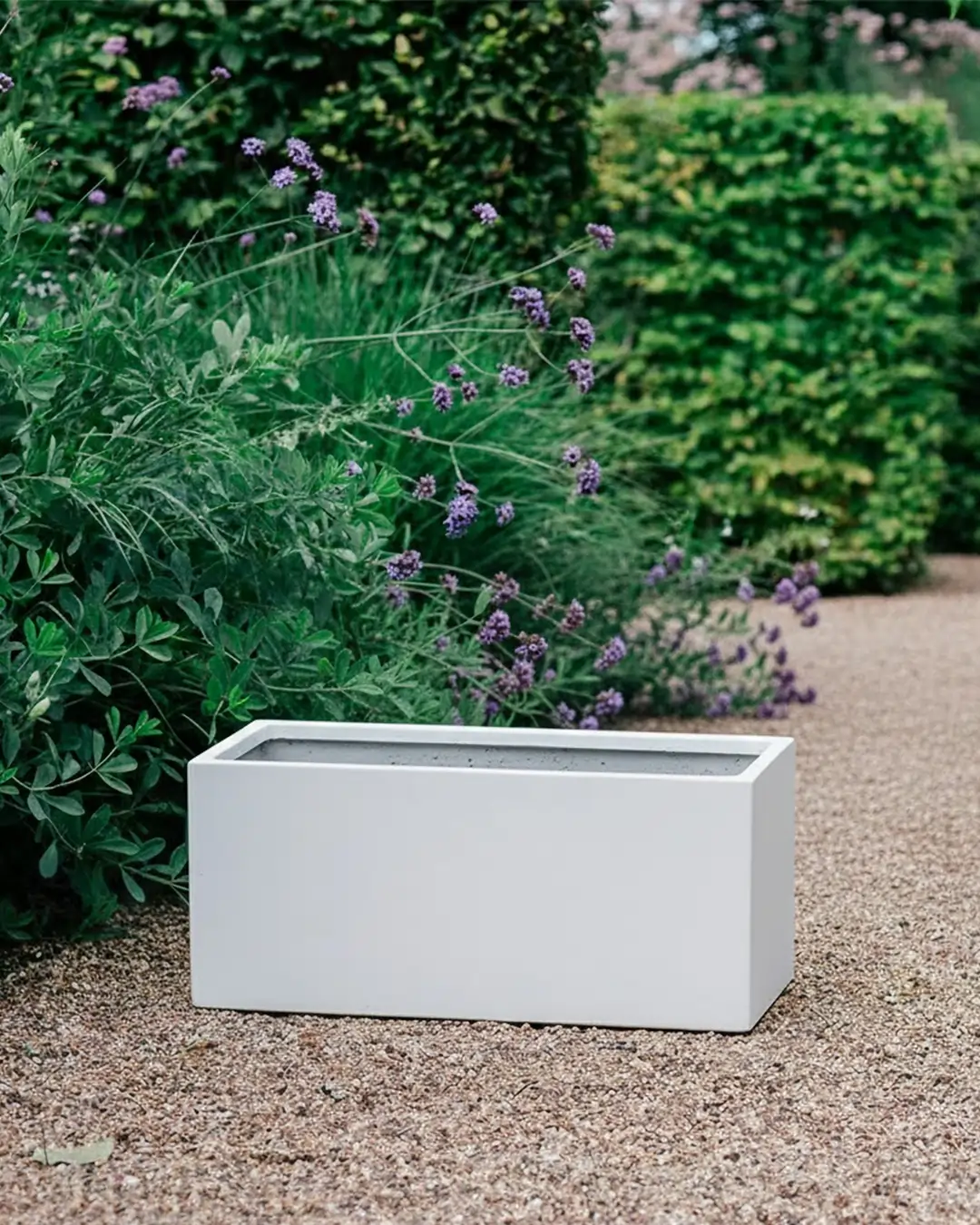
| At a glance: Planter boxes square designs deliver unmatched versatility for Australian outdoor spaces. This guide covers materials, sizing, drainage, plant selection, styling, and maintenance – everything you need to choose confidently and shop smart. |
Square planter boxes have become one of the most practical and design-forward choices for Australian outdoor spaces. Whether you are creating a low-maintenance courtyard in Melbourne, dressing up a Sydney balcony, or establishing a residential garden border in Brisbane, planter boxes square designs offer clean geometry, excellent space efficiency, and long-term durability that round or irregular containers simply cannot match. They suit contemporary architecture, work equally well with traditional gardens, and scale effortlessly from compact balcony setups to expansive commercial landscapes. This guide gives you the full picture – from material selection through to styling, drainage, plant choice, and the specific square planter ranges – including the architectural QuarterLite Cubes and Soft Edge Poly Terrazzo collections – available at Outdoor Emporium.
Why Square Planter Boxes Work So Well Outdoors
The geometry of a square planter box is deceptively powerful. Four equal sides align naturally with fence lines, walls, pavers, and architectural edges. Consequently, square outdoor planters create structured garden layouts without the awkward gaps that round containers leave behind.
Additionally, the flat internal base of a square design maximises root spread. Root systems do not have to navigate a curved wall, so plants establish faster and access nutrients more evenly throughout the mix. This geometry advantage makes square planter boxes particularly effective for food gardens, where root development directly impacts yield.
Furthermore, square garden planters stack and arrange without wasted space. A pair of tall square planter boxes flanking a doorway creates symmetrical definition. A row of matching garden planter boxes along a deck edge builds a natural privacy screen. The format is simply more versatile than round alternatives for structured outdoor design.
| Verified Fact – Horticulture Australia Driven by smaller outdoor spaces in capital cities, urban container gardening is one of the fastest-growing greenlife trends noted by Horticulture Innovation Australia |
Beyond function, square planter boxes carry a strong design language. They communicate deliberate intent. Consequently, they suit the clean lines of contemporary Australian architecture far better than many other planter shapes. Homes featuring rendered facades, steel-framed pergolas, or timber decking all benefit from the quiet order that square outdoor plant pots provide.
| 50%+ Australian households practise container gardening (Horticulture Innovation Australia) | 20%+ Volumetric space advantage over round pots vs round planters of equal volume | 10+ yrs Typical lifespan of quality fibreglass or polystone square planters | 25cm+ Minimum internal depth recommended for most shrubs and perennia |
Disclaimer: Lifespan estimates are indicative and vary based on material quality, climate exposure, and maintenance. Statistical figures are sourced from publicly available industry and government data.
Choosing the Right Material for Australian Conditions
Material selection is probably the most important decision you will make when buying a garden planter box. Australia’s climate varies enormously. Therefore, what performs well in coastal Queensland may behave differently on a frost-prone Victorian property. Understanding each material’s strengths helps you invest wisely.
Fibreglass and Polystone
Fibreglass and polystone planters dominate the premium outdoor market for good reason. Both materials resist UV degradation, handle temperature swings without cracking, and remain lightweight despite their durable finish. Modern polystone formulations convincingly mimic concrete, stone, and terrazzo aesthetics at a fraction of the weight. This makes them ideal for balconies and rooftop gardens where structural load matters.
At Outdoor Emporium, the Squares and Cubes collection includes several fibreglass and polystone options. Products like the Soft Edge Cube Poly Terrazzo and XL Contempo Squares demonstrate how this material category delivers contemporary aesthetics alongside genuine weather resistance suitable for all Australian climates.
Poly Terrazzo
Poly terrazzo blends polymer resin with stone aggregate to produce a speckled, natural stone appearance. The result is a planter that looks genuinely premium but weighs far less than genuine terrazzo or concrete. Moreover, poly terrazzo resists moisture penetration, meaning freeze-thaw cycles and coastal humidity do not cause structural damage over time.
Corten and Weathering Steel
Large planter boxes in Corten steel have surged in popularity across Australian residential and commercial projects. Corten steel develops a controlled rust patina over time, which actually protects the base metal from further corrosion. The warm amber-brown finish pairs beautifully with Australian native planting schemes and hardwood decking.
Outdoor Emporium’s Rust 2mtr Planter Box and Rust 2.4m Planter Box showcase this aesthetic perfectly for larger garden borders, commercial streetscaping, and residential property edges.
Timber
Timber planter boxes bring warmth and natural texture that no synthetic material fully replicates. However, Australian conditions are challenging for untreated timber. Hardwoods like treated pine, ironbark, and spotted gum perform far better than softwoods. Nevertheless, regular oiling and sealing extends any timber planter’s lifespan considerably. For long-term outdoor use without high maintenance demands, consider lining timber planters internally with heavy-duty plastic sheeting to prevent soil moisture from degrading the wood.
Concrete and Fibrestone
Concrete and fibrestone planters deliver exceptional weight and permanence. They work well for permanent garden installations where you do not intend to move the planter. However, their mass limits placement options on elevated surfaces like balconies or decks with load restrictions. On ground-level patios or in commercial landscaping projects, their density and solidity make them virtually indestructible.
| Material | UV Resistance | Lightweight | Low Maintenance | Best For |
| Polystone / Fibreglass | Excellent | Yes | Yes | Balconies, all climates |
| Poly Terrazzo | Excellent | Yes | Yes | Contemporary styling |
| Corten Steel | Good | No | Yes | Large garden borders |
| Hardwood Timber | Moderate | Moderate | No | Traditional gardens |
| Concrete / Fibrestone | Good | No | Yes | Permanent installations |
Disclaimer: Material performance ratings are general estimates based on publicly available horticultural and materials data. Individual product performance varies by manufacturer quality and specific climate conditions.
For a deeper look at outdoor planters across all materials, Outdoor Emporium’s full collection covers every category discussed above.
How to Choose the Right Size Square Planter
Getting the size right is crucial. Too small and plants become root-bound quickly. Too large and overwatering becomes a real risk. The good news is that once you understand the basic sizing principles, the right choice becomes obvious.
Small Square Planters (under 40cm)
Planter boxes small in footprint suit herbs, compact succulents, annual flowers, and trailing ground covers. They work perfectly on window sills, small balconies, cafe tables, and entry steps. The Vermont Garden Square 41cm from Outdoor Emporium sits right at this transition point. It handles herbs generously or a single ornamental grass beautifully.
Medium Square Planters (40cm to 60cm)
Medium-sized square outdoor planters suit the widest range of plants and spaces. Shrubs, perennials, lavender, agapanthus, dwarf natives, and ornamental grasses all thrive in this size range. Additionally, medium planters work well for feature placement on either side of a front door or along a low fence line. The Cube Planter Size 40cm and QuarterLite Vermont Squares from Outdoor Emporium represent excellent options in this category.
Large Square Planters (60cm to 100cm)
Large planter boxes accommodate dwarf trees, large shrubs, ornamental grasses at scale, and substantial mixed plantings. They create significant visual presence in any outdoor space. Furthermore, their soil volume means plants need less frequent watering, as the mix retains moisture more consistently. The XL Contempo Squares collection at Outdoor Emporium addresses this size category with contemporary proportions and weather-resilient materials.
Extra-Large and Trough-Style Planters
Planter boxes tall and planter boxes rectangular in extra-large dimensions serve a completely different function. They define garden zones, create privacy screens, anchor landscape compositions, and handle vigorous plants with deep root systems. Outdoor Emporium’s planter boxes range includes trough-style options like the Euro Trough 132, Euro Trough Tall, and the impressive XL Planter Box for large-scale applications.
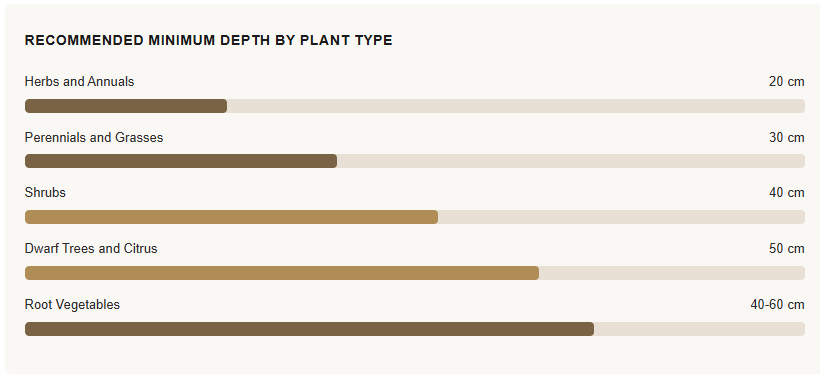
Depth recommendations are general horticultural guidelines sourced from the Royal Horticultural Society and ABC Gardening Australia. Specific cultivars may require different depths.
“The most common sizing mistake is choosing a planter that looks right but is too shallow for the plant’s root system. Always select depth based on the plant, not just the visual proportion of the planter.”
Drainage, Soil, and Root Health Essentials
Proper drainage is arguably more important than any other factor in container gardening success. Without it, even the most beautiful large square planter box becomes a plant cemetery. Waterlogged soil prevents oxygen from reaching roots, which promotes rot and fungal disease regardless of the plant species.
Drainage Hole Placement
Quality planter boxes include pre-drilled drainage holes in the base. Always confirm that these holes are unobstructed before planting. When placing planters on solid surfaces, raise them slightly on pot feet or wedges to allow free drainage outward. This simple step prevents standing water from pooling beneath the planter and damaging both the base and the surface beneath.
Base Layer Materials
Before adding potting mix, place a base layer of coarse material over the drainage holes. Options include horticultural gravel, coarse perlite, broken terracotta shards, or purpose-made drainage cells. This layer prevents fine potting mix from washing through the drainage holes while still allowing excess water to escape freely.
| Verified Fact – Garden Design Principles According to the Botanic Gardens Conservation International, adequate drainage is the single most critical factor in container plant health. Poorly drained containers cause root oxygen depletion, which mimics drought stress symptoms despite wet soil conditions. |
Choosing the Right Potting Mix
Never use garden soil in outdoor plant pots or planter boxes. Garden soil compacts under its own weight in containers, eliminating the air pockets that roots need. Instead, use a premium potting mix certified to Australian Standard AS 3743. This standard guarantees appropriate structure, nutrient content, and drainage properties for container growing.
For large planter boxes, consider mixing standard potting mix with approximately 20-30% perlite or coarse sand. This improves drainage further and reduces the total weight of the planter when filled. Additionally, adding water-retaining crystals to the mix helps plants endure the hot Australian summer without requiring twice-daily watering.
Watering Discipline
Overwatering kills more container plants than underwatering. Check moisture levels before watering by inserting a finger 5cm into the mix. Water thoroughly until liquid flows freely from the drainage holes, then allow the mix to partially dry before watering again. Furthermore, dark-coloured planters absorb more solar heat, which accelerates evaporation. Consequently, black square planter boxes in full-sun positions may require more frequent monitoring during Australian summer months.
Styling Square Planters in Australian Outdoor Spaces
The design flexibility of square planter boxes outdoor settings is genuinely remarkable. Few other garden elements work as convincingly across contemporary, traditional, coastal, and native Australian garden styles. Understanding a few key styling principles helps you get the most from your planters visually.
Contemporary Courtyard Design
Modern Australian courtyards favour clean lines, minimal colour palettes, and deliberate repetition. Square garden planters reinforce this aesthetic effortlessly. Pair large black square planter boxes with architectural plants like Buxus, dwarf bamboo, or columnar conifers. The contrast between dark planter and bold green foliage creates exactly the graphic, high-contrast look that defines contemporary outdoor design.
Outdoor Emporium’s Squares and Cubes collection includes the QuarterLite Convex Low Squares and Cube Planter QuarterLite, both of which suit this design direction with their refined proportions and textural finishes.
Balcony and Rooftop Gardens
Balcony gardens demand lightweight, durable solutions. Polystone and poly terrazzo square outdoor planters tick both boxes. Their lightweight construction reduces structural load while their finishes withstand coastal wind, salt air, and intense UV exposure. The Balcony Planter from Outdoor Emporium is designed specifically for these constraints. It delivers generous planting volume without excessive weight, making it ideal for apartment and townhouse balcony gardens across Australia.
Entrance and Pathway Definition
Matching pairs of tall square planter boxes flanking a front entry create immediate curb appeal. Similarly, a linear row of matching garden planter boxes along a pathway or driveway edge builds strong directional design. This approach works for both residential and commercial properties. Moreover, it remains relatively low-maintenance compared to traditional garden bed edging.
Privacy Screening with Tall Planters
Planter boxes tall in profile, planted with screening species, replace fence panels without permanent structural work. This makes them popular in rental properties, apartments with shared outdoor areas, and situations where council restrictions limit fence heights. Species like Lilly Pilly, Bamboo (clumping varieties), Photinia, and Viburnum create dense, private screening when planted in a linear row of large rectangular or square planters.
Mixed Material Combinations
Layering planter materials adds depth to any garden composition. Combining a large Corten steel trough planter with medium polystone square planters creates textural contrast that feels considered rather than random. Similarly, pairing contemporary poly terrazzo square planters with traditional terracotta bowl planters introduces warmth without sacrificing the overall modern direction. Outdoor Emporium’s broader range – from the Contemporary collection through to Terracotta planters – makes this kind of layered approach simple to execute.
Colour and Finish Selection
Neutral tones – stone, charcoal, white, and warm grey – give square garden planters maximum long-term design flexibility. Planter boxes black finishes remain consistently popular because they recede visually, pushing plant colour and texture forward as the design hero. However, in tropical and coastal Australian gardens, lighter finishes reduce heat absorption and keep root zones cooler during summer peaks.
Best Plants for Square Planter Boxes in Australia
Plant selection for container growing requires a slightly different mindset than in-ground gardening. Planter boxes impose specific constraints on root space, moisture retention, and nutrient availability. Fortunately, hundreds of plant species adapt extremely well to these conditions.
Herbs and Edibles
Herbs represent the most popular category for residential planter box gardening across Australia. Basil, rosemary, thyme, chives, parsley, and mint all thrive in medium square planters with good sun exposure. Keep in mind that mint is invasive in garden beds but well-behaved in containers. Therefore, a dedicated square herb planter is actually the ideal growing method.
Leafy greens including silverbeet, kale, and loose-leaf lettuce perform brilliantly in larger square planter boxes garden setups. Dwarf tomato varieties, capsicums, and compact zucchini cultivars extend the edible garden range considerably in large-format planters with at least 40cm depth.
Australian Natives
Container growing native plants has grown substantially in Australian urban gardens. Compact Kangaroo Paw, Dwarf Grevillea varieties, Lomandra, Westringia, and Scaevola all perform well in quality potting mix with adequate drainage. Moreover, natives in containers require significantly less water once established than many exotic species, making them particularly suitable for water-conscious Australian households.
| Verified Fact – Australian Native Plants According to the Australian Native Plants Society, many compact native species adapt well to container growing. Consistent drainage and avoidance of phosphorus-rich fertilisers are the key requirements for container-grown native plants in Australian conditions. |
Ornamental Grasses and Structural Plants
Ornamental grasses like Blue Fescue, Pennisetum, and Lomandra add movement and texture to planter box arrangements. They suit both modern and naturalistic garden styles. Structural plants including Agave, Cordyline, and Phormium create bold focal points when positioned in large square outdoor planters with complementary darker finishes.
Flowering Perennials
Agapanthus, lavender, catmint, salvia, and echinacea all thrive in medium to large square garden planters. Their extended flowering periods add seasonal colour without the maintenance demands of annual replanting. Furthermore, many flowering perennials in containers produce longer bloom seasons than their in-ground counterparts because you can position them for optimal sun exposure.
| Herbs and Small Edibles Vermont Garden Square 41cm or Cube Planter Size 40cm. Ideal depth and drainage for productive herb growing. | Ornamental Grasses QuarterLite Vermont Squares or XL Contempo Squares. Volume supports established root systems of feature grasses. | Privacy Screening Euro Trough 132 or Rust 2mtr Planter Box. Large volume suits screening species like Lilly Pilly and clumping Bamboo. | Balcony Gardens The Balcony Planter or Soft Edge Cube Poly Terrazzo. Lightweight materials respect load limits while delivering style. |
Maintenance Tips to Keep Your Planters Looking Great
Quality outdoor plant pots and square planters require surprisingly little maintenance when you choose the right material and establish good habits early. However, a few regular tasks make a measurable difference to both plant health and planter longevity.
Fertilising Schedule
Regular watering leaches nutrients from potting mix much faster than in-ground growing. Consequently, container plants need consistent fertilisation throughout the growing season. Apply a slow-release granular fertiliser at the start of spring. Then supplement with liquid fertiliser every four to six weeks through summer. Reduce feeding in autumn and stop through winter when growth slows naturally.
Top-Dressing and Mix Refresh
Every one to two years, refresh the top 5-10cm of potting mix in established planters. Remove any compacted material, loosen the surface, and add fresh mix with a slow-release fertiliser. For smaller planters, a full mix replacement every two years produces better results than ongoing top-dressing alone.
Cleaning Your Planters
Polystone, fibreglass, and poly terrazzo planters clean easily with warm soapy water and a soft cloth. Avoid abrasive cleaners that may scratch or dull the surface finish. Timber planters benefit from annual re-oiling with a suitable outdoor timber oil. Corten steel requires no treatment – the patina develops naturally and self-protects over time.
Winter Care for Australian Gardens
In southern Australia, frost-sensitive plants need protection during winter. Move lightweight polystone or fibreglass square planters to sheltered positions if the planted species cannot tolerate sub-zero temperatures. Heavy concrete or Corten planters can remain in place. However, consider replacing frost-sensitive plant species with hardier winter alternatives rather than leaving planter boxes empty through the cooler months.
Pest and Disease Monitoring
Container plants are generally less prone to soil-borne diseases than in-ground growing because you control the growing medium completely. Nevertheless, regularly inspect foliage for aphids, scale, and fungal symptoms. Catching issues early in container plants is easier than in garden beds, as each planter box represents an isolated growing environment. Address problems with targeted, environmentally appropriate treatments as soon as symptoms appear.
For more guidance on outdoor garden care and product selection, Outdoor Emporium’s accessories range includes practical support products for container gardening.
Outdoor Emporium Square Planter Collections Worth Knowing
Outdoor Emporium, based at 10 Pallett Street, Coburg North, Victoria, has built one of Australia’s most comprehensive collections of premium outdoor planters, garden pots, and planter boxes. The following collections are particularly relevant for anyone researching square planter boxes Australia-wide.
Squares and Cubes Collection
This collection represents the core of Outdoor Emporium’s square planter range. Options include the Cube Planter QuarterLite, QuarterLite Convex Low Squares, QuarterLite Vermont Squares, Soft Edge Cube Poly Terrazzo, Vermont Garden Square 41cm, and XL Contempo Squares. Together, they cover everything from compact balcony-friendly cubes through to large statement square planters for commercial and residential feature use.
Browse the complete Squares and Cubes collection at Outdoor Emporium.
Planter Boxes Collection
For rectangular and trough-style planter boxes, Outdoor Emporium’s dedicated collection covers a genuinely wide range. The Euro Trough series in 65cm, 80cm, and 132cm widths suits everything from balcony herb gardens to large commercial borders. The Vermont Planterboxes QuarterLite delivers refined proportions in a range of contemporary finishes. The Regulation Planter and XL Planter Box address large-scale residential and commercial landscaping requirements.
Explore the full Planter Boxes collection for the complete range.
Contemporary Collection
Outdoor Emporium’s Contemporary collection extends beyond square formats to include round, cylindrical, and mixed-geometry designs. These work exceptionally well alongside square planters to build visually layered outdoor compositions. The Tube Planter QuarterLite and XL U Pot Poly Terrazzo complement square planter arrangements particularly effectively.
Oversized Pots and Planters
For large-scale projects, Outdoor Emporium’s Oversized Pots and Planters range includes statement pieces that serve as genuine garden focal points. These suit commercial landscapes, large residential properties, and projects where visual impact at scale is the priority.
Frequently Asked Questions About Square Planter Boxes
These questions appear consistently across Australian gardening forums, Reddit communities, and Google People Also Ask results for planter boxes square and related topics.
Final Thoughts: Making the Right Choice for Your Outdoor Space
Planter boxes square designs represent one of the most practical and design-versatile investments you can make in any Australian outdoor space. Their geometry works with almost every architectural style. Their range of available sizes covers everything from compact window sill herb gardens to large-scale commercial landscaping screens. Furthermore, the breadth of materials now available means you can find a square planter box that performs reliably through the full range of Australian climatic conditions, from tropical north Queensland through to frost-prone Victorian alpine regions.
The key decisions boil down to four areas. First, choose your material based on climate exposure, weight requirements, and maintenance preference. Second, select your size based on the specific root depth of your intended plants, not just visual proportion. Third, prioritise drainage – both through your choice of base layer and your watering discipline. Finally, consider the styling context of your outdoor space and allow the planter format to reinforce, rather than compete with, the surrounding architecture and landscaping.
Whether you are exploring contemporary black square planter boxes for a Melbourne courtyard, large trough-style planters for a Sydney residential border, or lightweight poly terrazzo cubes for a Brisbane balcony, Outdoor Emporium’s range covers the full spectrum. Visit the team at 10 Pallett Street, Coburg North VIC 3058 to see the range in person, or browse the complete collection online today.